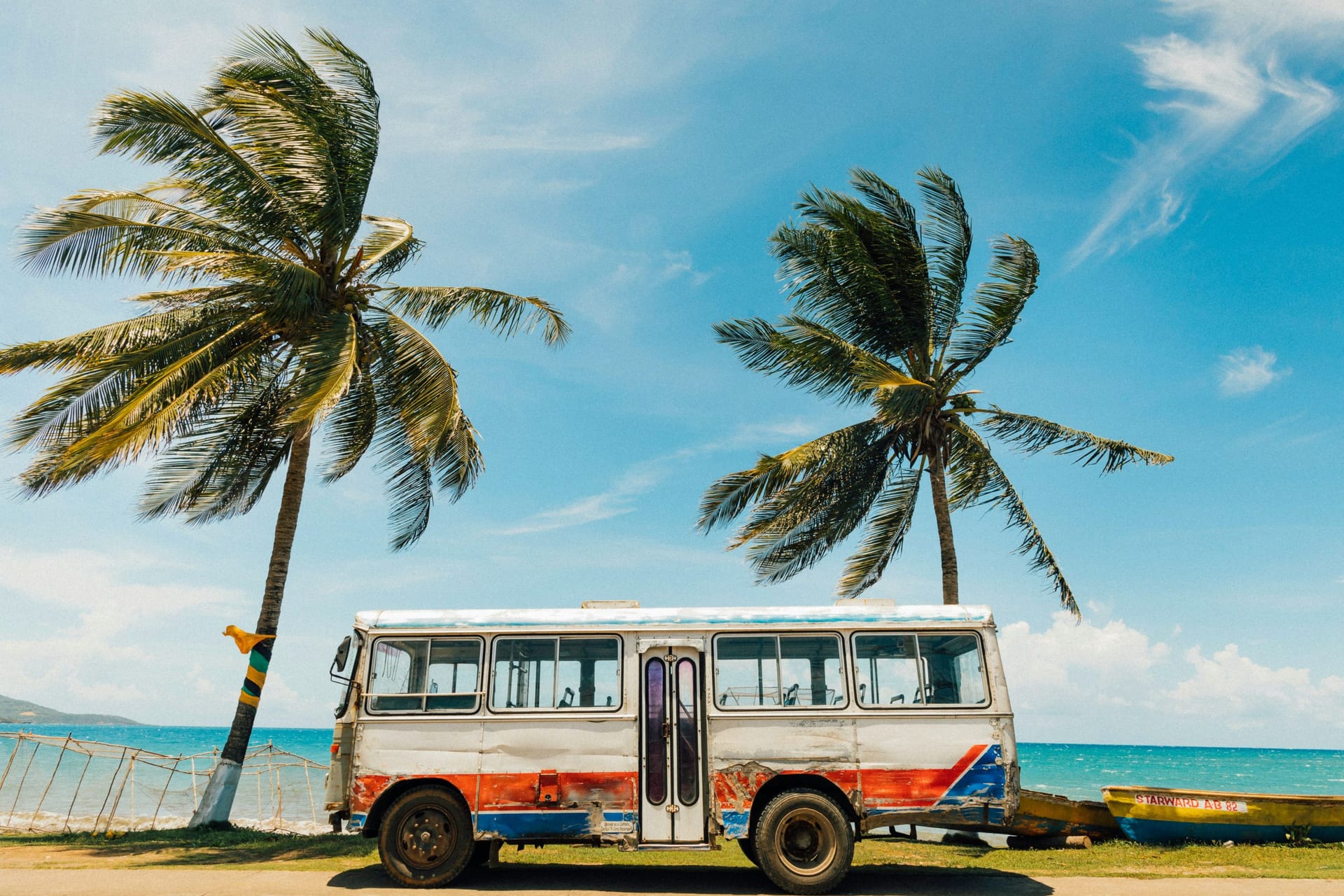
“British style” is a catch-all term for rums produced in old British colonies. This includes countries as diverse as Guyana, Jamaica or Trinidad. If you’ve tried rums from each of these countries, you will know how different they can taste!
The Brits, of course, can lay claim to have been the first to produce rum: it is widely thought that the spirit was ‘born’ in Barbados. Brits are often caricatured as traditionalists, and judging by the way British-style rum is still produced today, they have left their mark on their old Caribbean territories.
The only stills available 400 years ago were copper pot stills, and they are still widely used today. A pot still will produce a rum that is heavy, rich and powerful. Today’s copper pot stills are designed to be more efficient and most producers in the English-speaking Caribbean have also added column stills to their set up and blend the distillates from the two styles of stills. In essence then, British style rum is produced either 100% from a pot still or it is a blend of pot and column distillates.
Although there are notable exceptions (Wray & Nephew White Overproof is the best-selling unaged rum in Jamaica), British style rums are mostly consumed aged. They go straight from the still to the barrel and then spend a number of years maturing in oak until they’re deemed ready to be released. That the vast majority of British style rums are aged is also the result of an older tradition. The rums naturally aged as they were transported from the Caribbean all the way back to Britain, and producers soon realised this ageing process during transportation added to the rum’s quality.
Jamaican producers, for instance, also use a longer fermentation process, which brings out stronger aromatic components in their sugarcane wines. When these are then distilled in pots, the result is a heavy spirit which is high in pungent, fruity esters. The spirit directly off the still is potent and intense and needs to be ‘tamed’. That’s what the oak is doing. In short, Jamaican rums with their ‘funky’ aromas are to rum what peated Islay whiskies are to Scotch. It’s not a stretch to compare British style rum to Scotch. In summary, British style rums are clearly influenced by the pot still: medium to full bodied, with a tropical, fruity flavour.
A lot of British style rums can and should be enjoyed neat. They are also very often used as ingredients in mixed drinks, especially Tiki cocktails. The reason is obvious: tropical cocktails are juice and syrup heavy. Think of the Mai Tai with its orgeat, curaçao and lime or the Zombie with its mix of rums, juice, spices and absinthe. For the soul of the cocktail – the spirit – to shine through, you need the robust and heavy rums that the ex-British colonies continue to produce to this day.
And when those proved not enough, Tiki pioneers such as Don the Beachcomber or Trader Vic would throw in over-proof rum, another British specialty. Also called Navy Strength, it was put in the cask at 57% ABV, which meant the rum was flammable. Distillers could then use gunpowder to test the proof of their spirit: if the spirit-soaked gunpowder lit when ignited it was over-proof and if not, it was ‘under-proof’. In addition, if a broken barrel of over-proof rum spilt over gunpowder, that gunpowder could still be used by the navy when battling their enemies. The sailors of the British Navy received a daily ration of over-proof rum for their grog – it was apparently good for the health – and this tradition survived until 1970. Yes, the Brits certainly played a big role in the story of rum!