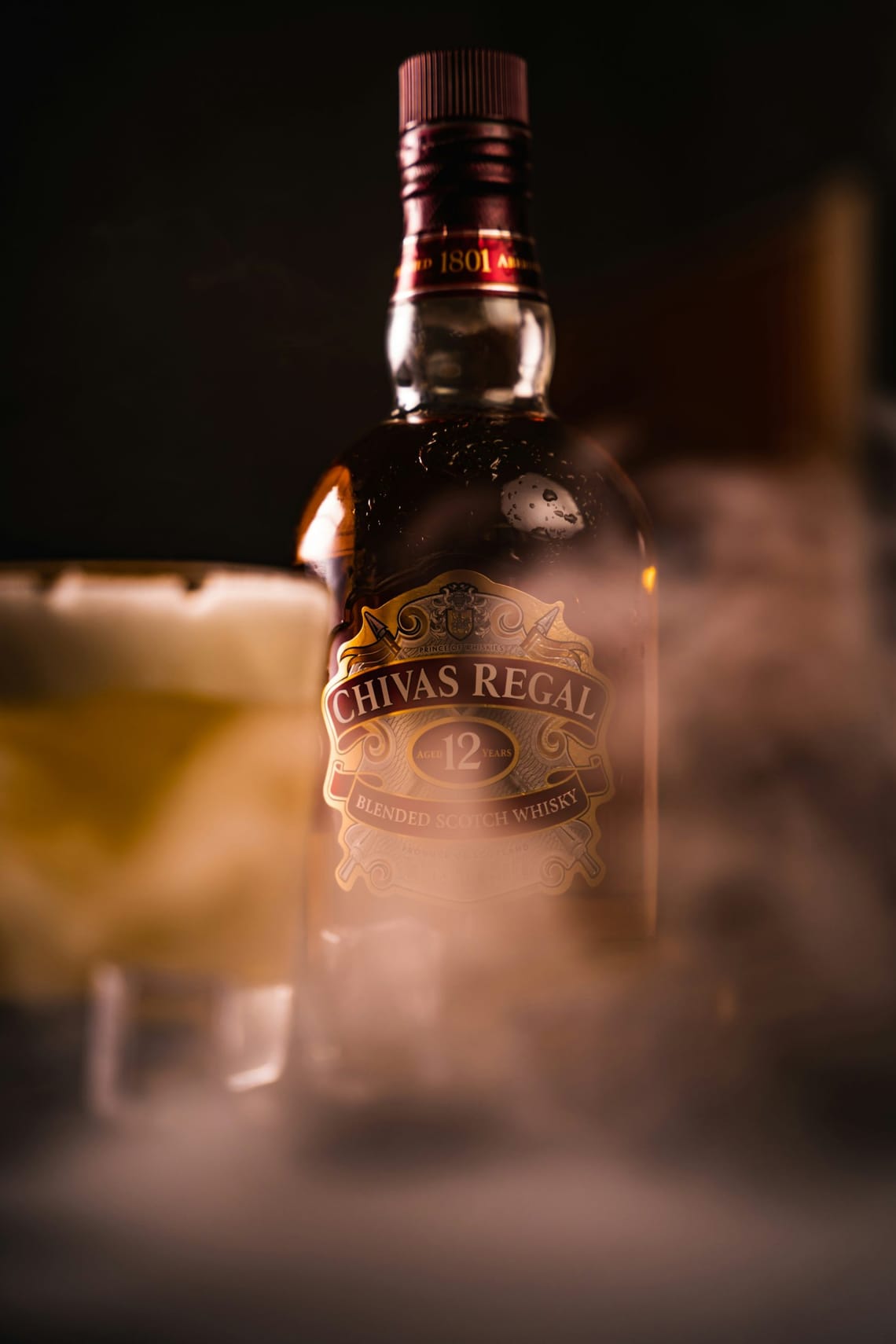
Drink trends come and go, but you can’t keep a good dram down. According to the new Global Whisky Market Overview, 2023-28 report, the whiskey category is set to reach $127 billion by 2028. The category is expanding at a CAGR of 6.34%.
Although it shares specific characteristics with Scotch whisky and bourbon, Canadian whisky has a style all its own, thanks to a unique means of production and the subtle, sometimes unmistakable influence of rye.
- Canadian whisky is often called "rye whisky" in the US, although it usually contains more corn than rye. This tradition dates back to the early days of Canadian whisky production when rye was a hardy crop that could withstand the region's harsh winters.
- Production involves a mix of grains, with rye significantly creating its distinctive flavor. The result is a generally light but flavorful whisky, with rye contributing a dry spice, while less rye allows corn and vanilla notes to come to the forefront.
Hiram Walker and Son's Distillery is now the largest in North America, with impressive facilities, including grain silos, fermentation tanks, column stills, and extensive warehouses housing 1.6 million barrels of whisky. They bottle nearly 6 million cases of product annually.
Did you know?
- Canadian Club was initially called Hiram Walker's Club but had to change its name when American distillers demanded that its origin be stated on the label. It promptly became even more popular.
- Canadian Club creator Hiram Walker was a tycoon with a hand in numerous business sectors and even built up his town, Walkerville, complete with police and fire service. It's now part of Windsor, Ontario.
- During Prohibition, Canadian whisky gained popularity as it was a major alcohol supplier to the speakeasies in the United States, with a significant amount of "booze" flowing across the Detroit River between Canada and the US, with one Al Capone a regular visitor. Records show Capone paid $7 for a case of Canadian Club in 1923 and sold it for $75.
Corby, Canada's second-largest spirits and wine marketer, is majority-owned by Pernod Ricard and represents several top-selling brands in Canada, as well as international brands. The company's portfolio includes well-known brands like J.P. Wiser’s, LOT40, and Pike Creek. Corby is publicly traded and based in Toronto, Ontario.