- In 1918, Masataka Taketsuru, a young Japanese man aspiring to create genuine whisky, traveled to Scotland to learn the secrets of whisky making. He became the first Japanese to master the craft, studying at the University of Glasgow, apprenticing at Scotch distilleries, and compiling detailed notebooks that became Japan's first whisky production guide.
- In 1920, Taketsuru returned to Japan with his Scottish wife Rita but discovered that the company funding his education had to abandon its whisky production plan. He was then hired by Kotobukiya(Suntory) in 1923 to build the Yamazaki Distillery, where he produced Japan's first genuine whisky.
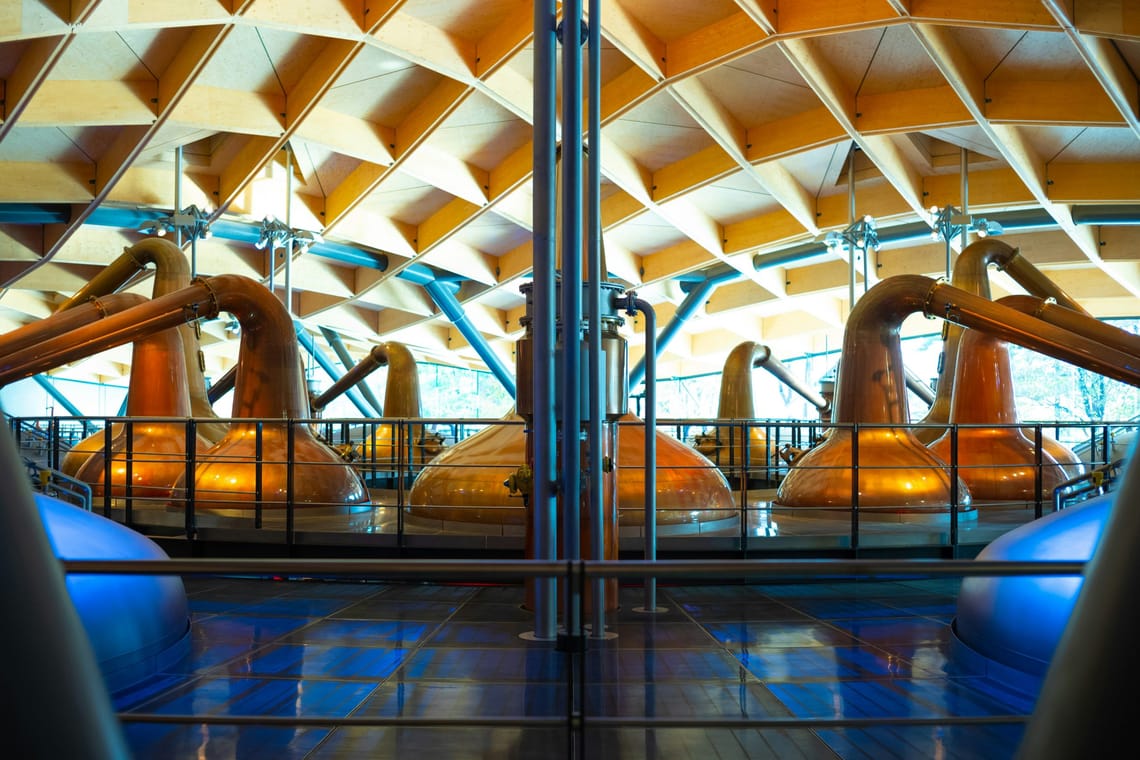
After his contract with Kotobukiya, Taketsuru established his distillery in Yoichi, Hokkaido, in 1934. Despite challenges, he considered Yoichi an ideal site for whisky production due to its climate resembling Scotland. The first pot still designed by Taketsuru in Japan was installed in 1936, and in 1940, the first whisky from Nikka was launched under the brand name "NIKKA WHISKY," derived from "Nippon Kaju," the company's initial word meaning the "Great Japanese Juice Company.
DID YOU KNOW?
- Masataka Taketsuru’s mission to establish Yoichi in Japan’s far north started as a venture to make apple juice, known as the great Japan juice company.
- In Scotland, Taketsuru underwent a five-day crash course in distillation at Longmorn, studying grain distillation at Bo'ness and spending five months at Hazelburn in Campbeltown.
- Suntory’s Vast Hakushu distillery once produced some 30m liters of spirit a year from two huge stillhouses, making it the largest plant of its kind in the world at the time.
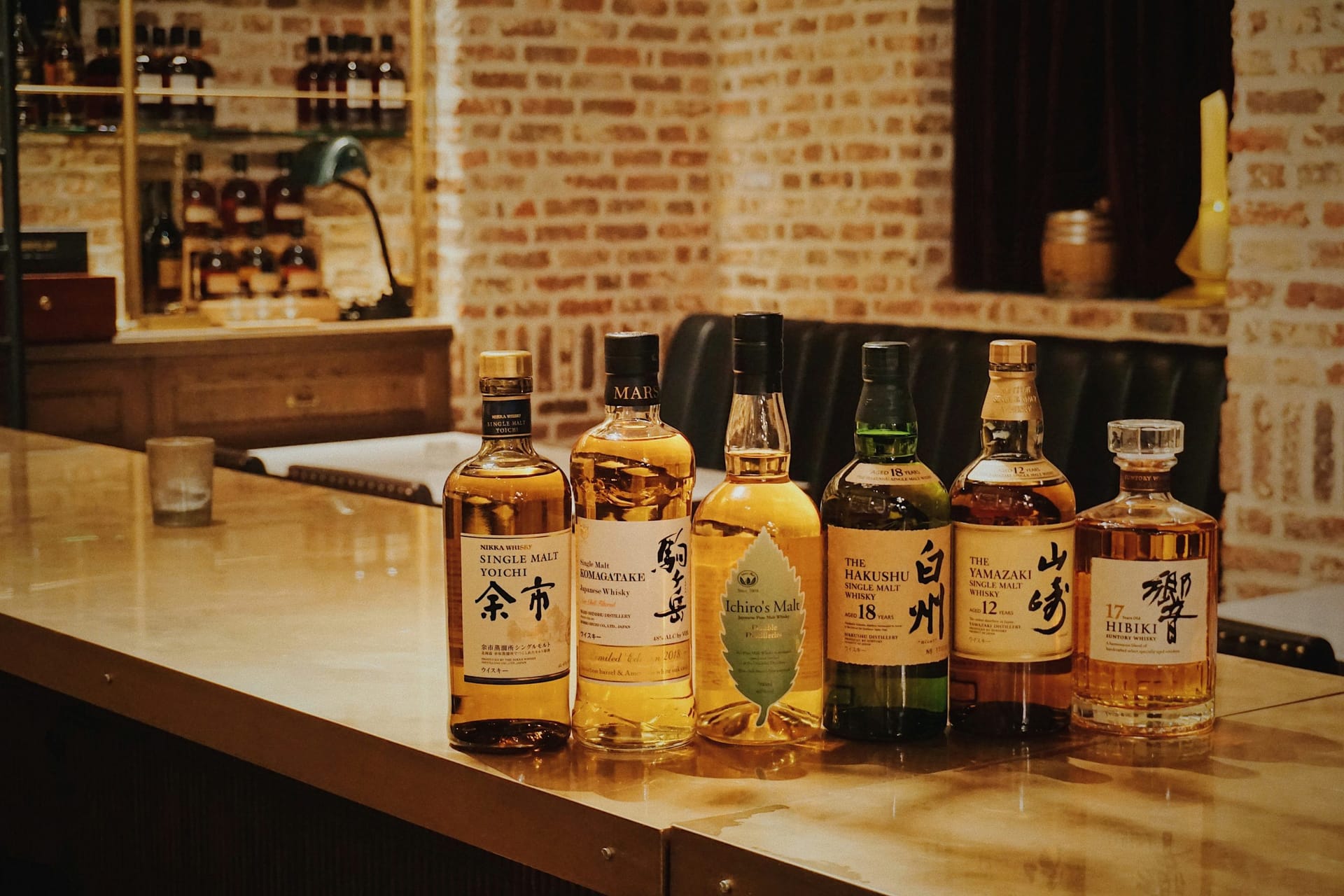
Japan Spirits & Liqueur Association expresses concern about recent cases where some brands mislabel their products as "Japanese whisky," either by using imported foreign whiskies or not meeting Japanese whisky qualifications. They highlight the unique history of Japanese whisky-making, initially inspired by Scotch whisky but developed with distinct techniques.
Unlike Scotland, Japanese whisky makers are not accustomed to exchanging whisky stocks, leading them to be self-sufficient. The association, proud of the cultural contribution of Japanese whisky, defines what constitutes "Japanese whisky" and aims to clarify this for consumers worldwide. They emphasize the value and independence of Japanese whisky-making over the past century, hoping to enhance the industry's prosperity in Japan further. This means we finally have a Japanese Whisky Law for the members of JSLA. The standards became effective on April 1, 2021, with a transitional provision allowing continued use of specific labeling terms until March 31, 2024, for products labeled on or before 31.03.2021.