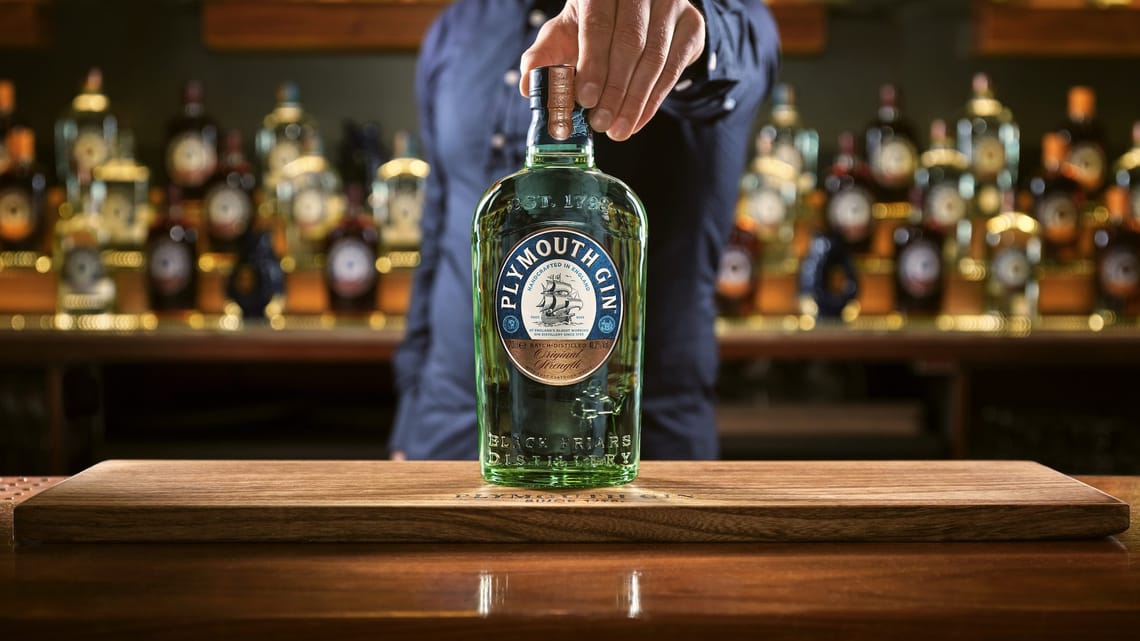
Gin has been around for hundreds of years. Most know that it is a spirit flavoured with botanicals and that the key botanical is juniper.
Having a long and varied history however meant that, when it came to preparing regulations to cover the category (as was the case with many other spirit categories being regulated across the EU at the same time), the provisions had to reflect and cover (and standardise), the production and key requirements in place at that time.
Since 2008 the gin category has seen something of a renaissance and participants in the category have been competing for sales. The category regulations are detailed, but do allow scope for interpretation and development, not least of course being the ability to use the many diverse botanicals available to distillers to supplement juniper. This allows creation of differing flavour profiles, along with more extensive interpretations (some of which may cause concern for traditionalists), yet, where firmly rooted to the key requirements, are legally compliant.
Distillers have created some imaginative and novel expansions of the ‘traditional’ gin profiles, of which ‘pink’ gin, ‘fruit gins’ and ‘gin liqueurs’ are examples.
Knowledge of the details of gin, the specific category requirements and more are issues for both producers and brands as well as retailers.
Under the Consumer Rights Act, retailers have certain obligations when they supply goods to a consumer, as, under the legislation, the products they sell must match the correct description. Retailers have a direct responsibility to ensure accuracy of description. This applies in store (including shelf edging notes), as well as on-line. It is not sufficient defence to merely rely on the manufacturer’s description.
The 2008 EU spirit regulations are the keystone to gin in the EU/UK. The regulations were updated in 2019, however UK EU Brexit provisions operate so that where provisions were not yet implemented on 31 12 2020, certain 2008 regulations remain in place for UK use).
Regulation (EC) No 110/2008 has (for UK purposes), been part replaced by Regulation (EU) 2019/787. The new EU Regulation entered into force on 25th May 2019, with the provisions relating to Geographical Indications (“GIs”) becoming applicable from 8th June 2019, meaning that provisions on GIs in the Spirit Drinks Regulations 2008 (and Scotch Whisky Regulations 2009) must be amended to reflect the new applicable legislation.
The remainder of Regulation (EU) 2019/787 applies from 25th May 2021, so will not be applicable in the UK, and, as a result, the Spirit Drinks Regulations 2008 (and Scotch Whisky Regulations 2009) will need to retain references to Regulation (EC) No 110/2008 for the non-GI provisions, with the EU (Withdrawal) Act retaining applicable EU legislation. It is understood that DEFRA is to review the above.
The key requirements for ‘gin’, as set out in the above, are by and large also reflected (but not by any means identically), in local regulations across the world.
Not all gins are however produced in the same way. Careful label reading and a basic understanding of the variations in production methodology is needed to appreciate the full range of available options.
This guide (reflecting the EU/UK regulations as at 04/2021), endeavours to highlight the principle area of focus and to clarify and demystify the category.