The Historical Roots of Gin
Gin’s history is a fascinating journey that spans centuries and continents. Its origins can be traced back to the 12th century when monks and alchemists used juniper berries and alcohol for medicinal purposes. This early form of gin evolved significantly over time. In the Netherlands, during the 16th century, the Dutch began adding herbs and spices to their medicinal alcohol, creating a spirit known as Genever. This spirit was a precursor to modern gin and was popularized by Dutch soldiers during the Thirty Years' War (1618-1648). English soldiers who fought alongside the Dutch took Genever back to England, where it became known as "Dutch Courage" due to the bravery it purportedly inspired in battle. Over time, the English adapted Genever into what we now recognize as gin.
"What you get from life is what you give."
- SOMEONE SMART ONCE SAID
The Birth of Monkey 47
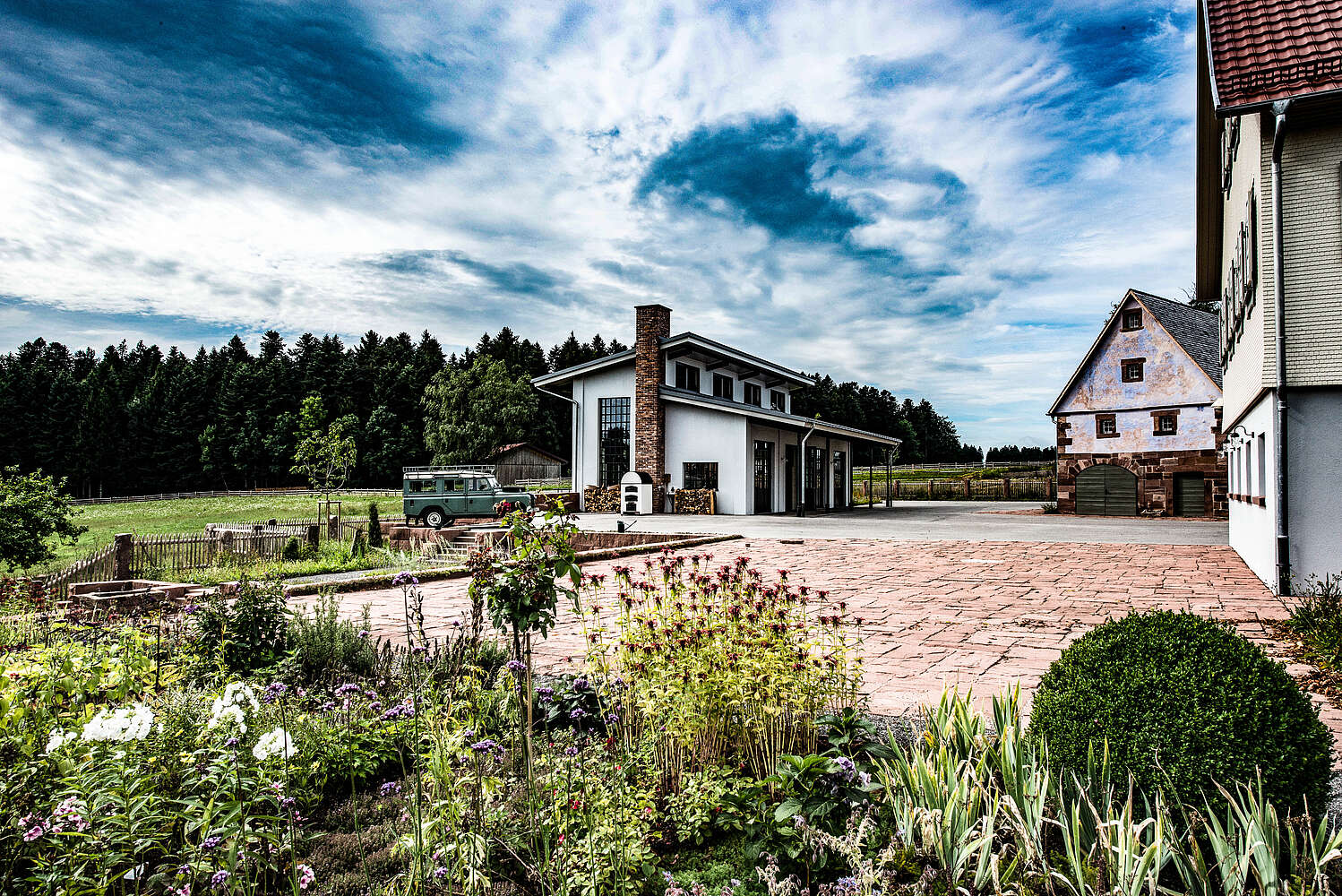
Monkey 47 Schwarzwald Dry Gin is a product of the Black Forest region, renowned for its long tradition of distilling fruit-based spirits known as Eau de Vie. The area boasts around 25,000 micro-distilleries, highlighting the deep-rooted culture of spirit production. The distillery itself, Schaberhof, was purchased and renovated by Alexander Stein, who left his career as a Nokia manager to pursue his passion for creating a distinctive gin. Before establishing Schaberhof, Stein collaborated with Christoph Keller at the Stählemühle distillery near Lake Konstanz, where they spent 2.5 years perfecting the recipe for Monkey 47.
The Inspiration Behind the Brand
The inspiration for Monkey 47 comes from a British Royal Air Force Wing Commander named Montgomery Collins. After World War II, Collins was stationed in Berlin, where he sponsored a monkey named Max at the Berlin Zoo. Later, he moved to the Black Forest and opened a guesthouse called "Zum wilden Affen" (The Wild Monkey). Collins created a gin using local ingredients, which Stein discovered and used as the basis for Monkey 47.
The Unique Recipe and Production Process
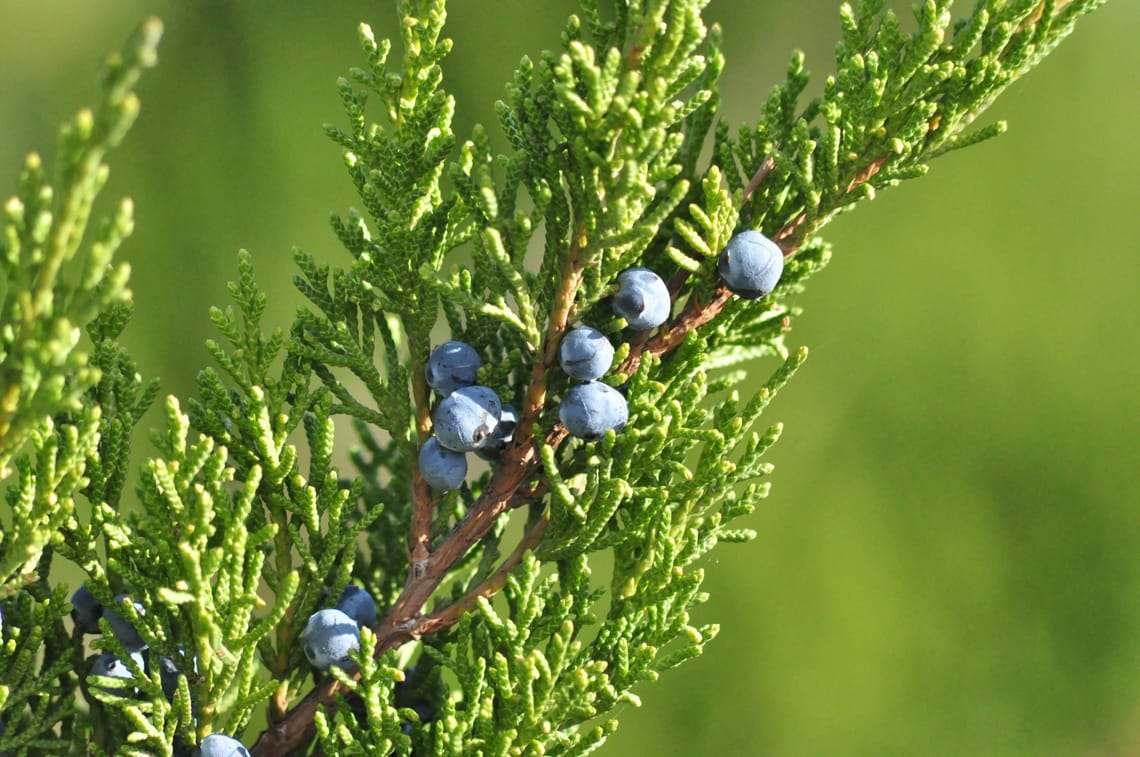
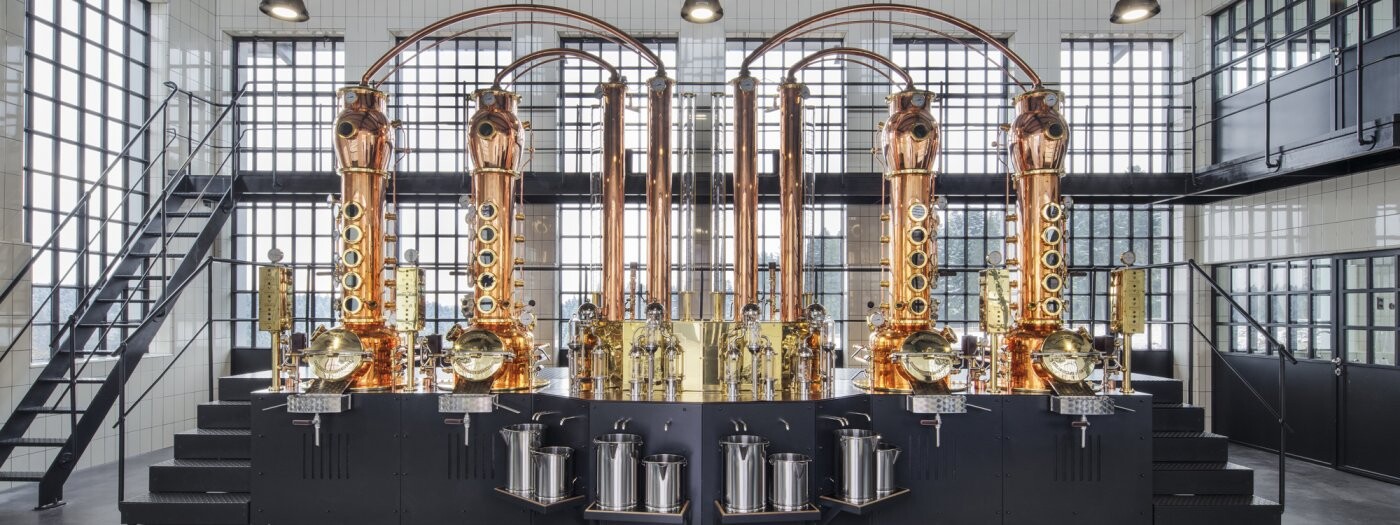
Monkey 47 is renowned for its complex flavor profile, derived from a blend of 47 botanicals, including juniper, spruce tips, bramble leaves, and lingonberries. These ingredients are macerated in a molasses-based neutral spirit sourced from France. The maceration process involves soaking the botanicals in the spirit for several weeks to extract their flavors. The gin is then distilled in small, 100-liter stills named after famous monkeys, ensuring a high level of quality control.
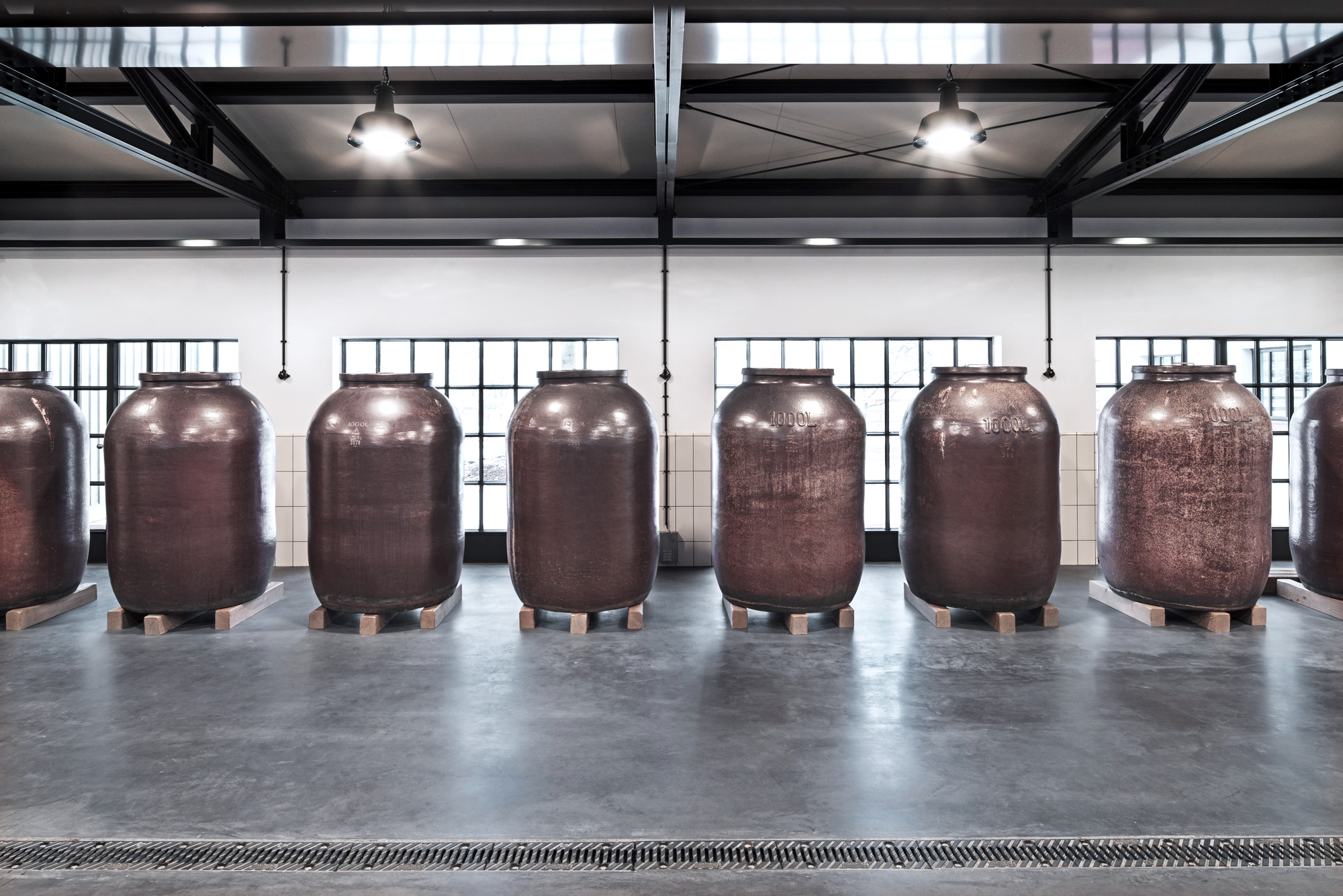
One of the distinctive features of Monkey 47’s production is the use of percolation or steam extraction. This method allows for the subtle extraction of flavors from delicate botanicals like lemon and grapefruit zest, and lavender. The resulting "monkey extract" is a high-proof spirit that undergoes a resting period of 100 days in earthenware containers, allowing the flavors to mellow and integrate.
The Iconic Bottle and Global Cult Status
The bottle design of Monkey 47 is inspired by an old apothecary bottle discovered by Stein at a flea market in Stuttgart. Despite financial challenges, Stein committed to producing 50,000 bottles, a decision that paid off as Monkey 47 gained a global following. The bottle features a 100% natural cork from Portugal and a distinctive ring that has become a collector's item. The label reflects the gin’s diverse influences, combining elements from the United Kingdom, exotic botanicals, and the Black Forest.