If you’ve been drinking rum, you’ve probably been drinking Spanish style rum: it’s what generally sells best! Again, these rums can’t be understood as a single block. Production methods and flavour profiles vary, but there’s undeniably a common history.
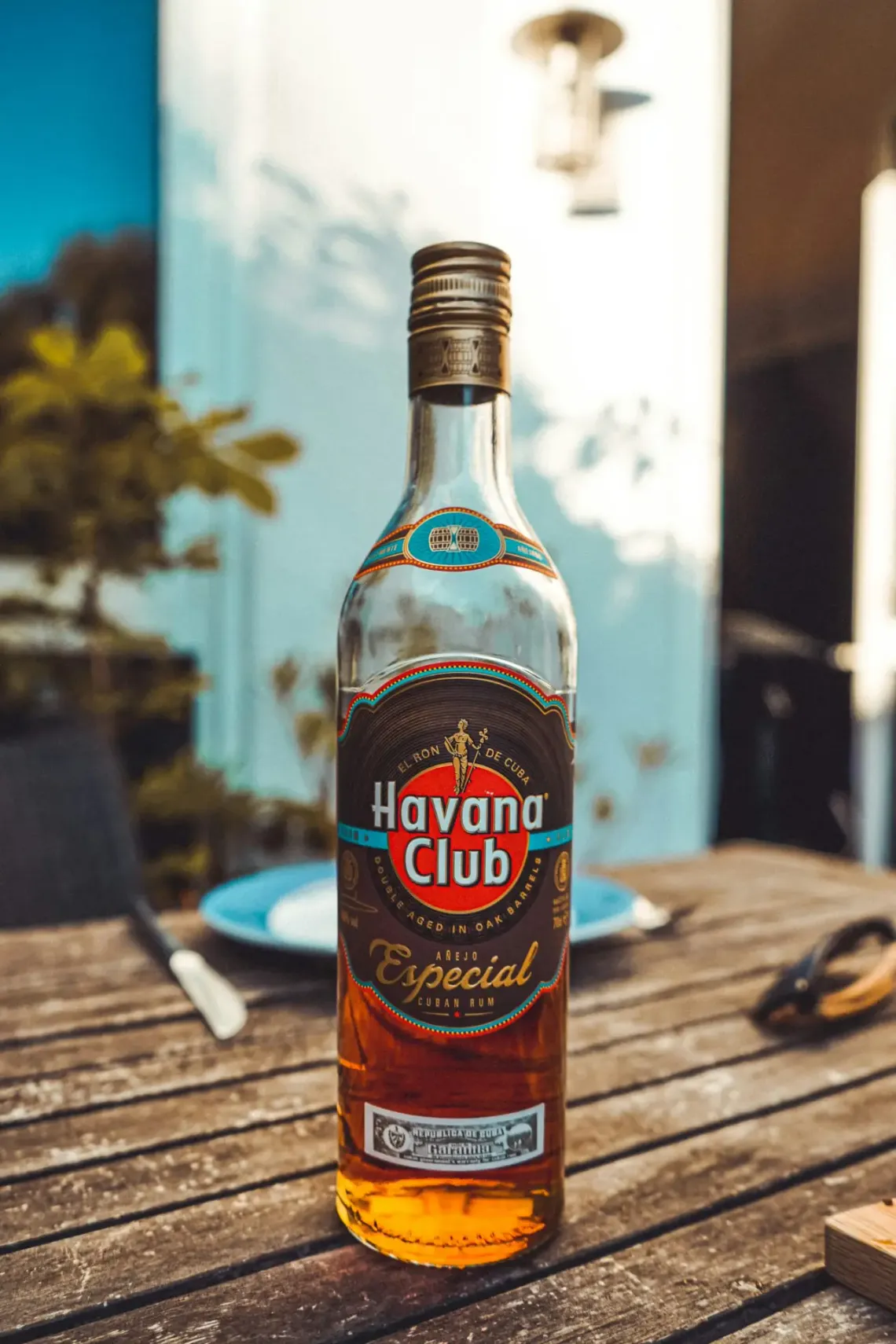
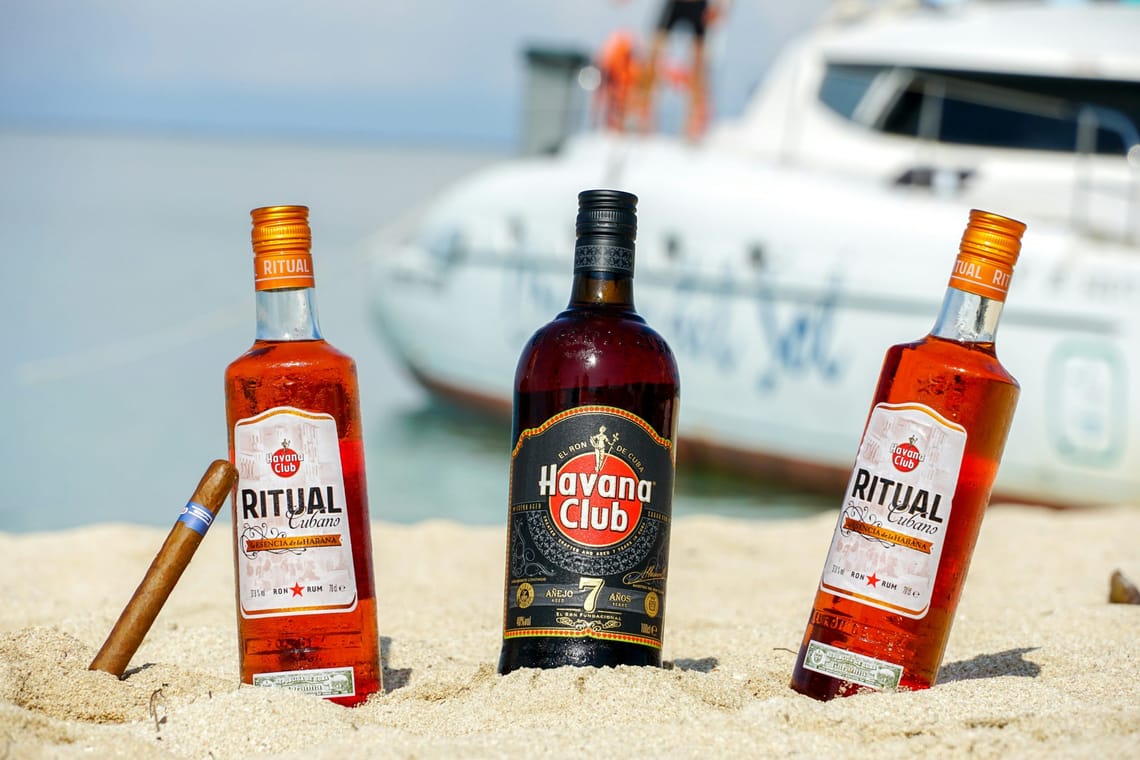
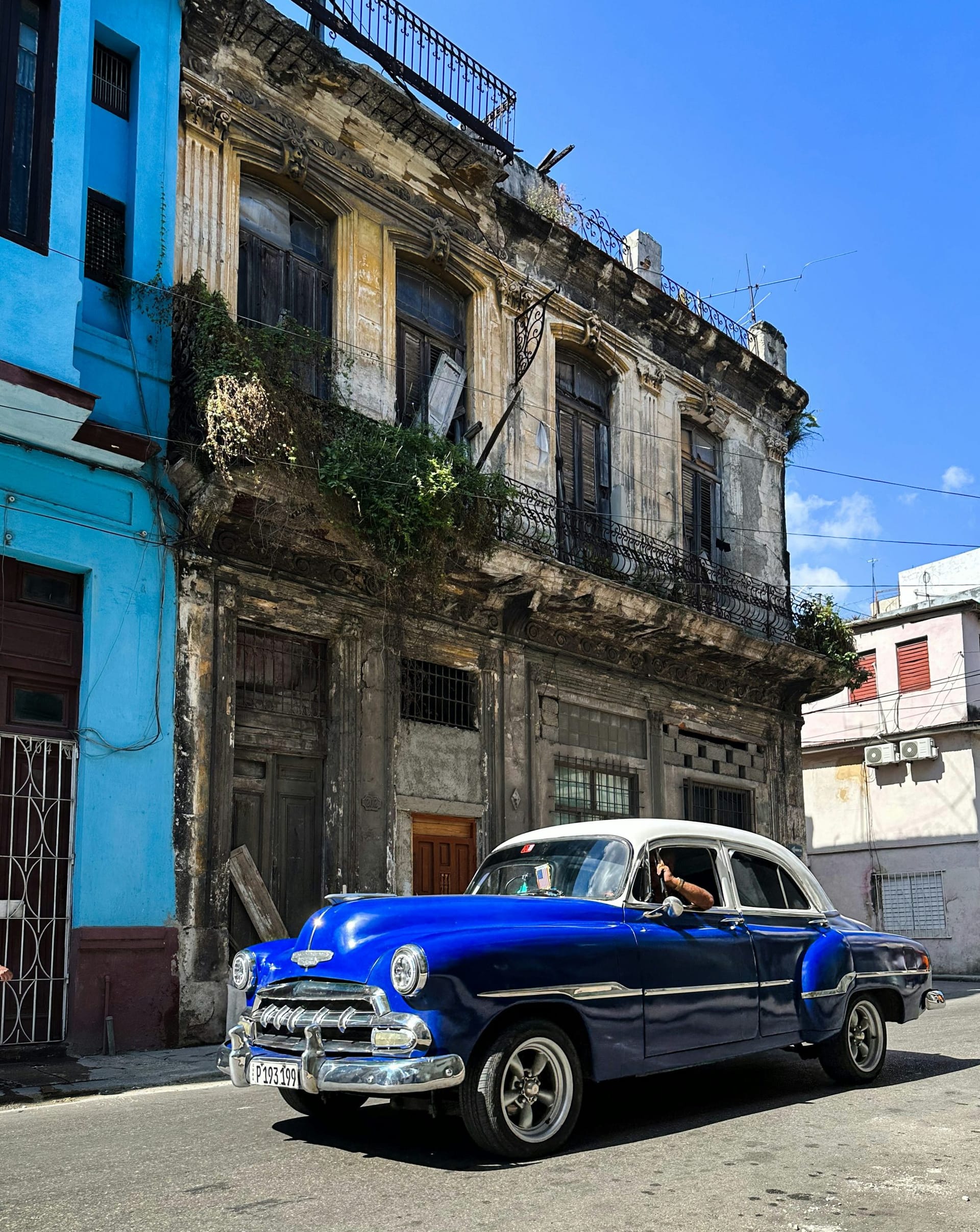
What we think of today as Spanish style rum started in Cuba. Historically, that’s where the rum industry first took root in the former Spanish colonies. And many rum producers all around Central America or the Caribbean, from Puerto Rico to Costa Rica to Panama, have hired people once involved in the Cuban rum industry for their expertise and rum-making heritage.
As we will see in a minute when we finally talk about the spirit of Cuba, the industry was built around the column still, a triumph of the industrial revolution. Much more efficient and reliable than pot stills, column stills allow for continuous distillation. In the very tall column stills, lighter alcohol is condensed and the resulting distillate is more delicate in character. Today, large multi-column set ups allow distilleries to produce molasses based distillate at very high proof – sometimes as high as 95%. And that’s part of the reason why there can be such big differences between Spanish style rums. It’s like cooking: slow and low produces better developed flavours than fast and high. A column still set up at a lower temperature will produce a 70% distillate with lots of esters (fruity compounds). Whereas multi-column stills set up to distil at 80% or 95% will get rid of most aromatic components, meaning that the barrels used for ageing and any additives become essential for developing the rum’s flavour profile; a real contrast to British style pot stilled rum, where the barrel is selected based on its potential to tame the distillate’s flavour.
Many of the Spanish-style rums owe a lot to the way they are aged. In some countries, such as Guatemala, Venezuela or Panama, it’s logically a very Spanish heritage they’ve come to rely on: the
solera system. In Spain, they use it for brandy and sherries. The idea is that when aged rum is taken out of a barrel, it is replaced with the same quantity of a younger rum. This allows the rum to be matured and blended simultaneously. It does also mean that it’s complicated to use an age statement, since the master blender is constantly blending the old with the new and the newer.
Spanish brandies are often sweeter than brandies from other countries. It’s because the barrels from their solera system were previously used to age some of the sweeter sherries. Some of the residual sweetness rounds off the new brandy spirit. The same happens with Spanish style rums: solera rum producers buy sherry barrels to age their product. But this doesn’t fully explain their signature sweetness: some of the Spanish style rum producing countries will permit the addition of a percentage of sweet wine, honey or sugar. As a result, Spanish style rums often have a thickness and a roundness that make them popular options neat, especially for people that are just getting familiar with the category.