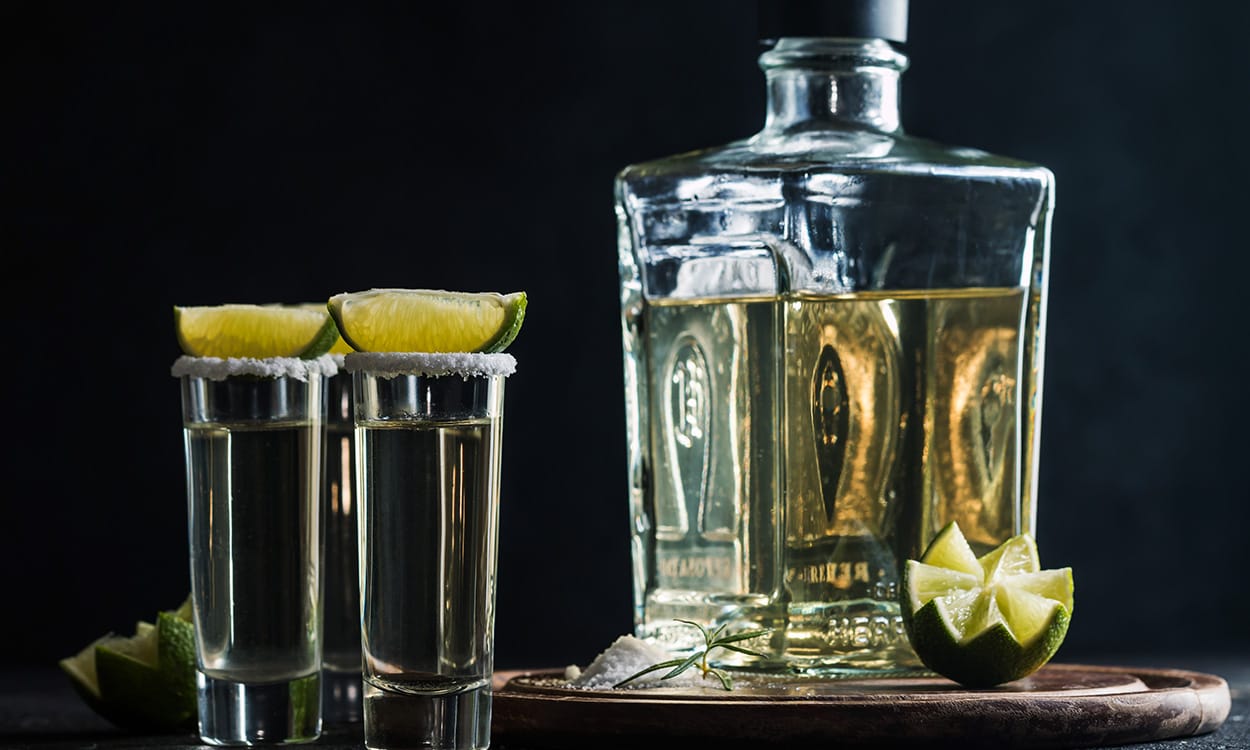
Ultimately, we found that Tequila & Mezcal have more similarities than differences; it just depends on your mood, if you want to try something citric, floral, or even herbal and fresh (tequila) or something more intense and smokier (Mezcal).
Let’s discover the fastest-growing spirit category, Tequila&Mezcal. Tequila is an alcoholic beverage made in Mexico from the agave plant's fermented and distilled pulp and fiber. Tequila can only be made from Agave Tequilana Weber–a blue variety whose fibrous spiky leaves are blue in a particular light. It is an essential member of the Agavaceæ family.
Agave has to grow 6 - 8 years to be ready. Below you can see what affects the taste of tequila.
- Jima or harvesting
- Cooking by a different process like ovens, autoclaves, or diffusor.
- Milling on the old fashion way with a Tahona Stone, Roller mill, or diffusor.
- Fermentation with yeast
- Two times, distillation by copper pot stills, stainless Steel pot stills, or columns.
- Aging in barrels or pipes
States that produce tequıila: Only five states in Mexico;
- Jalisco has two main places to make Tequila, The Highlands and the valley
And some municipalities of
- Guanajuato, Nayarit, Michoacán, Tamaulipas.
Del Maguey was founded on March 14, 1995. The first bottling took place on December 8 of the same year. Mezcal is A Mexican alcoholic liquor distilled from agave plants.
- Mezcal can be made with more than 20 different varieties of Agave. The most common are: Espadin, Arroqueño, Jabali, Cenizo, Tobasiche, Tepeztate.
- There are over 200 different agave species in Mexico.
- They are hardy plants, capable of surviving in extreme and arid conditions.
Agaves for Mezcal can be ready from 60 up to 70 years. It depends on the variety. Below you can see what affects the taste of mezcal.
- Jima or harvesting
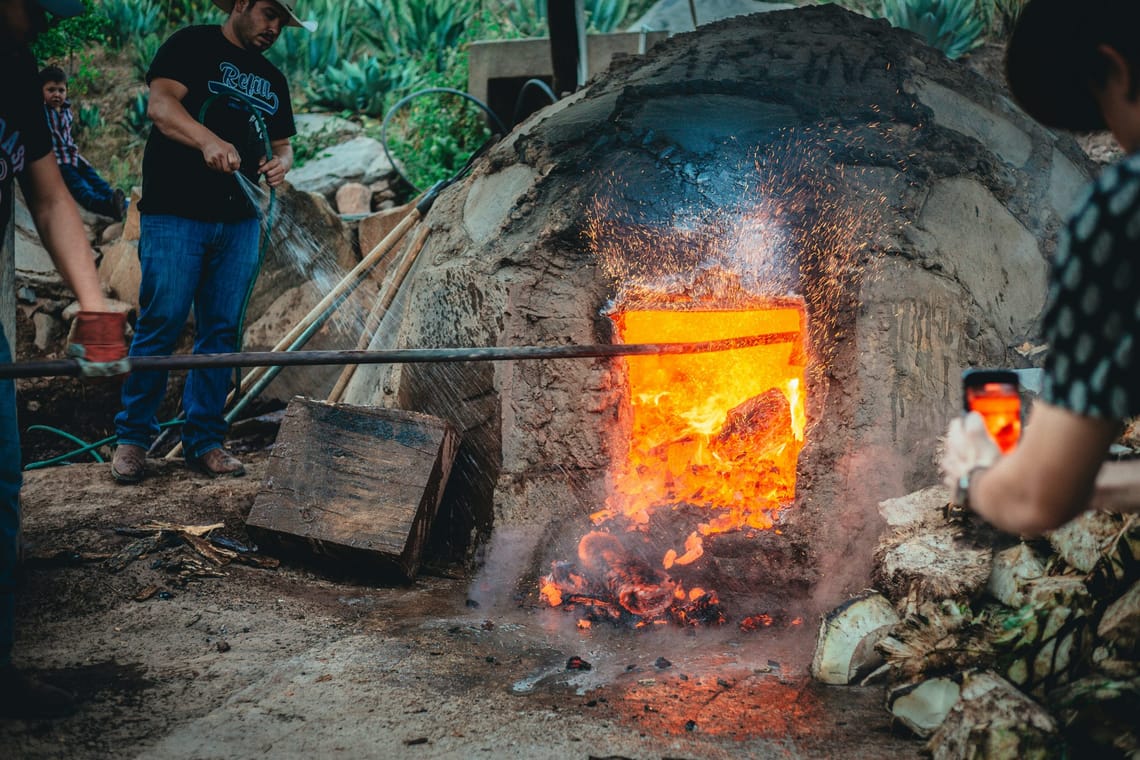
- Cooking in ovens underground, with Wood (smokiness)
- Milling by Tahona or by hand using a Mallet
- Fermentation by yeast or naturally using Wood, leather, or steel.
- Distillation Steel pot stills or clay pots two times.